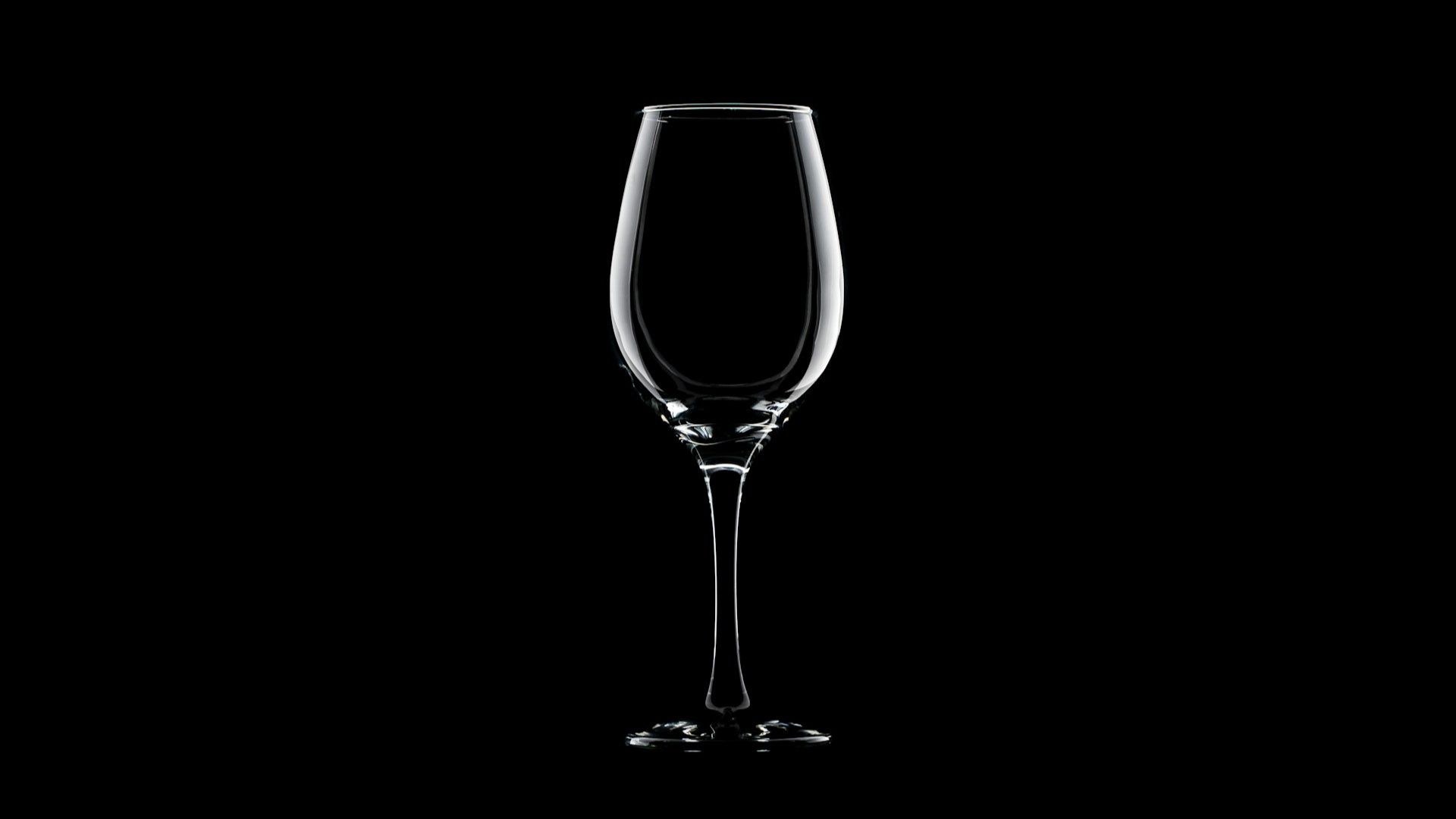
Few objects are as closely associated with celebration as the champagne flute. Tall, slender, and instantly recognisable, it has become the universal symbol of sparkling wine. From weddings to formal receptions, the flute is often the default choice, rarely questioned. Yet, when it comes to truly appreciating Champagne, tradition does not always align with experience.
In recent years, both producers and sommeliers have quietly moved away from the flute, not out of contrarian instinct, but in pursuit of a better tasting experience.
How the Champagne Flute Earned Its Place
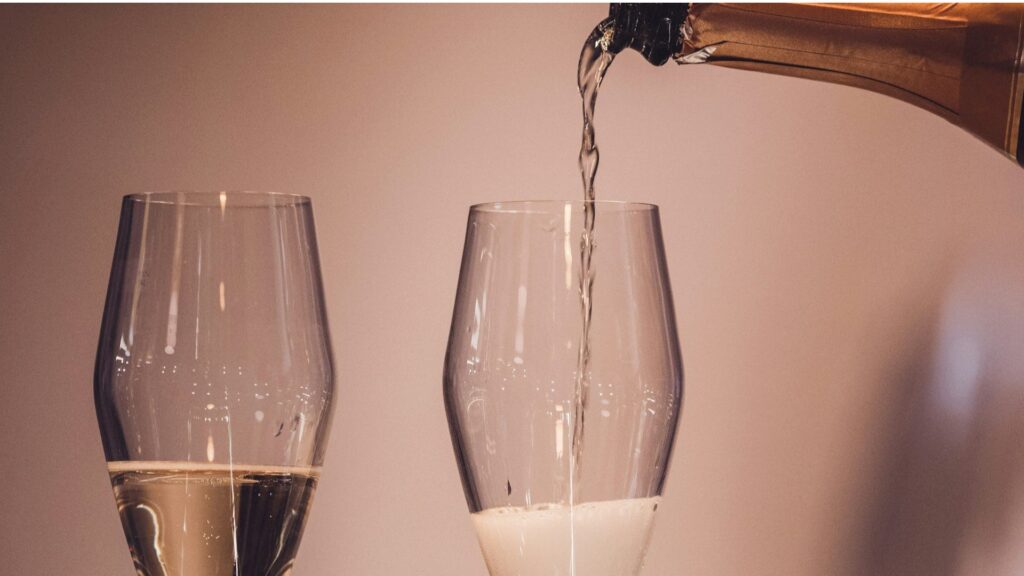
The rise of the champagne flute is closely tied to practicality and aesthetics rather than sensory performance. Its narrow shape preserves bubbles for longer, creates an elegant visual stream of mousse, and minimises spills in social settings. At large events, it also allows Champagne to remain visually lively even when poured in advance.
In an era when sparkling wine was often served very cold and consumed quickly, these advantages mattered. The flute did its job well, especially when the goal was celebration rather than contemplation.
Where the Flute Falls Short
While the flute excels at presentation, it limits what Champagne has to offer aromatically and texturally.
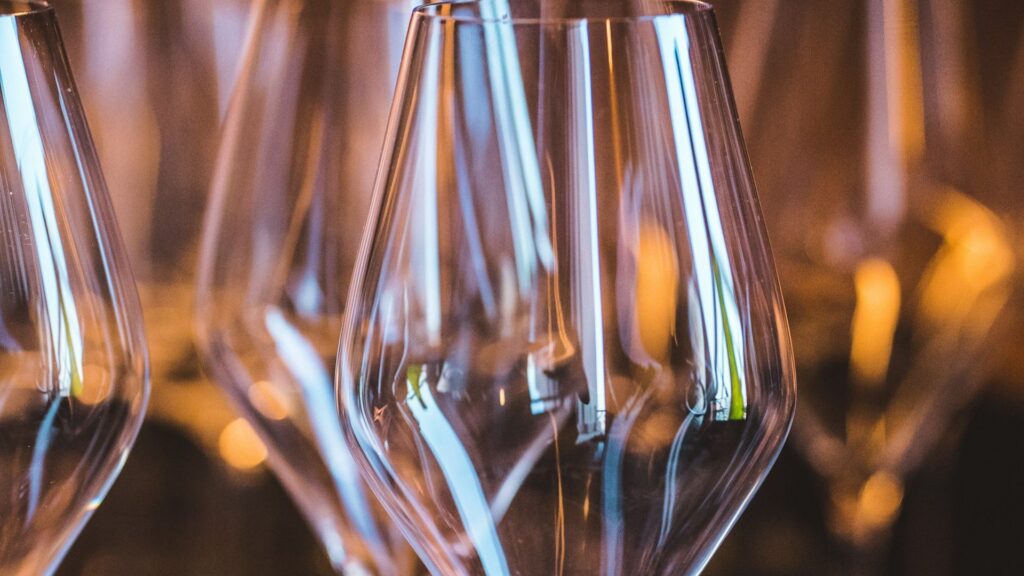
The narrow opening restricts the wine’s surface area, preventing aromas from fully developing. Champagne is a complex wine, shaped by terroir, grape variety, reserve wines, and extended aging on lees. In a flute, many of these nuances remain trapped, resulting in a muted nose.
The shape also directs the wine narrowly onto the palate, emphasizing acidity and bubbles over texture and depth. This can make even refined Champagne appear sharper or simpler than it truly is, particularly with more complex cuvées.
In short, the flute shows Champagne at its most festive, but not at its most expressive.
What Champagne Producers Actually Prefer
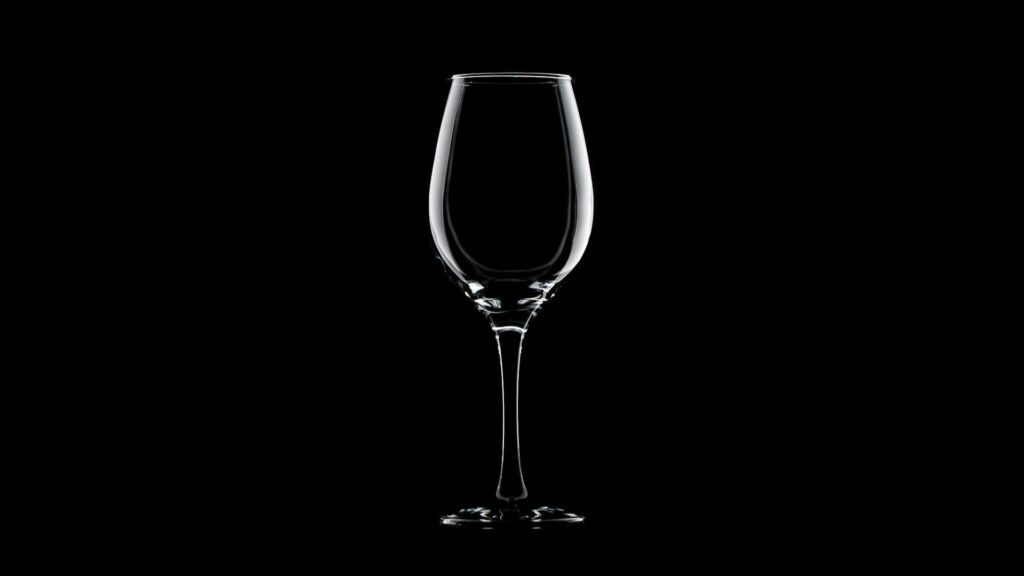
Interestingly, many Champagne houses do not serve their wines in flutes at all. During tastings and cellar visits, it is far more common to encounter a tulip-shaped glass or even a small white wine glass.
These shapes offer a wider bowl, allowing the wine to breathe and aromas to gather, while still narrowing at the rim to preserve freshness and focus. This balance enhances both aromatic expression and palate structure, revealing layers that a flute simply cannot.
When producers choose a glass, the priority is clarity of expression, not ceremony..
A Better Way to Experience Champagne
For those seeking a more complete Champagne experience, a tulip glass or a refined white wine glass is often the better choice. These glasses allow Champagne to evolve in the glass, softening the perception of bubbles while highlighting fruit, texture, and complexity.
This does not mean the flute has no place. It remains perfectly suited to large celebrations, toasts, and moments where atmosphere takes precedence. However, when the goal is appreciation rather than symbolism, the glass should serve the wine, not the tradition.
Changing the Perspective
Just as Champagne itself has evolved, so too has the way it is best enjoyed. Moving beyond the flute is not about rejecting tradition, but about deepening understanding.
At our tastings, we often encourage guests to compare glassware side by side. The difference is immediate and often surprising. The wine does not change, but the experience does.
Reconsidering the champagne flute is a small adjustment, yet it opens the door to a more nuanced and rewarding relationship with sparkling wine. Sometimes, the most familiar tools are simply not the most revealing.